

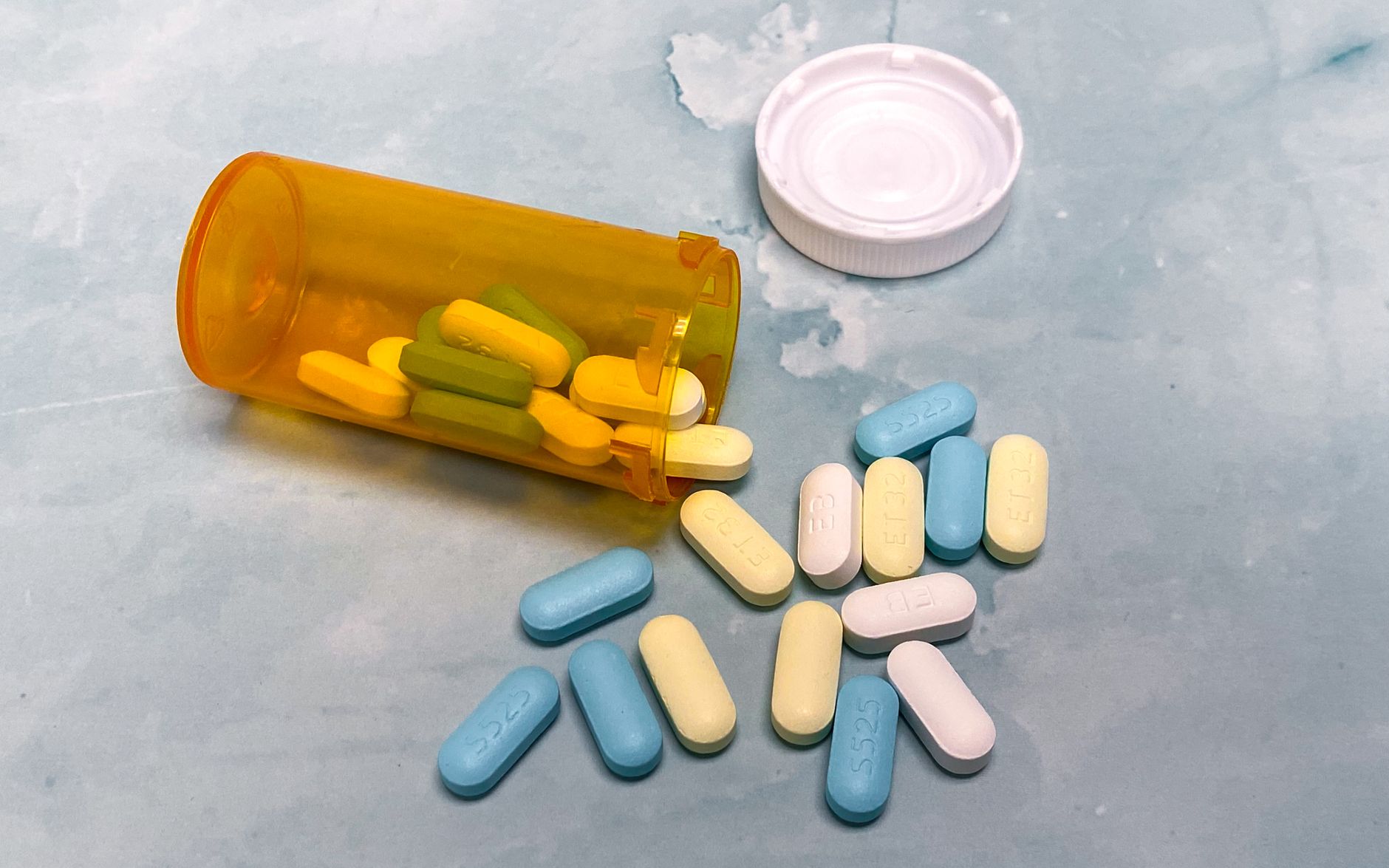
FDA rejects cancer drug Ivonescimab, a recent decision that has raised concerns among patients and healthcare professionals alike.
Overview of FDA’s Decision
The U.S. Food and Drug Administration (FDA) has made a controversial decision by rejecting the cancer drug Ivonescimab, which was developed in China. This decision has raised concerns among patients and healthcare professionals alike, as many had hoped for a new treatment option in the ongoing battle against cancer.
Ivonescimab, which aims to target specific cancer cells, showed promise in clinical trials. However, the FDA determined that the data provided by the manufacturer did not meet the agency’s stringent requirements for safety and efficacy. This has led to widespread disappointment, as patients and advocates had anticipated a breakthrough that could potentially improve survival rates.
Critics of the FDA’s decision argue that the rejection of Ivonescimab represents a significant setback for cancer research and treatment options available to patients. They believe that the regulatory process should be more accommodating to innovative therapies that show potential, even if the evidence is not yet conclusive.
As experts continue to debate the implications of this decision, many are left wondering how the FDA’s rejection of this cancer drug will impact future developments in the field of oncology.
Impact on Cancer Patients
The recent decision by the FDA to reject the cancer drug Ivonescimab has raised significant concerns among cancer patients and healthcare professionals. Many believe that this move will have profound implications for those seeking effective treatment options. Cancer patients often face a daunting journey, and the availability of new therapies can be a beacon of hope in their battle against the disease.
With the FDA rejecting Ivonescimab, patients and advocates argue that this decision could limit access to innovative treatments that may have improved outcomes for various types of cancer. The potential benefits of the drug included:
- Targeted therapy: Ivonescimab aimed to provide a more personalized approach to treatment.
- Improved survival rates: Early studies suggested that the drug could enhance life expectancy for certain cancer types.
- Fewer side effects: Patients reported experiencing milder side effects compared to traditional chemotherapy.
As the FDA rejects cancer drug options, many patients are left feeling frustrated and uncertain about their future. The rejection highlights the ongoing challenges in bringing new therapies to market, often leaving patients with limited choices in their treatment journeys.
Background on Ivonescimab
Ivonescimab, a monoclonal antibody developed in China, was designed to target and inhibit the growth of cancer cells. This promising drug aimed to provide a new treatment option for patients battling various types of cancer, including lung and pancreatic cancers. Researchers had high hopes for Ivonescimab, given its innovative mechanism of action which was expected to enhance the body’s immune response against tumors.
Despite the initial enthusiasm surrounding Ivonescimab, the FDA has made the controversial decision to reject the cancer drug. The agency raised concerns over the clinical data presented, questioning the drug’s efficacy and safety profile. This rejection has sparked significant backlash from both healthcare professionals and patients who believe that the drug could have offered a lifeline for those with limited treatment options.
Supporters of Ivonescimab argue that the FDA’s decision not only stifles innovation but also denies patients a potentially effective therapy. As the landscape of cancer treatment evolves, the rejection of such drugs can leave many feeling hopeless and frustrated. The ongoing discussion will likely focus on the implications of this decision and what it means for future cancer therapies.
Reactions from the Pharmaceutical Industry
The recent decision by the FDA to reject the cancer drug Ivonescimab has sparked significant reactions from the pharmaceutical industry. Many experts are expressing concern over the implications of this ruling, arguing it may hinder innovation in cancer treatment.
In a statement, Dr. Emily Thompson, a leading oncologist, emphasized the importance of diversifying treatment options: “The FDA’s rejection of Ivonescimab is a blow not only to patients but also to the ongoing efforts to develop new therapies that could save lives.”
Several pharmaceutical companies have voiced their disappointment, with some highlighting the potential of the drug based on earlier clinical trial results. CEO of MedTech Innovations, James Liu, noted, “We believe that this decision may discourage future investments in groundbreaking research.”
Industry analysts are also concerned about the broader implications, suggesting that the rejection could signal a more cautious approach by the FDA regarding cancer therapies moving forward. Market expert Lisa Green remarked, “This might set a precedent that could deter companies from pursuing innovative treatments due to fear of rejection.”
Future of Cancer Drug Approvals
The recent decision by the FDA to reject the cancer drug Ivonescimab has raised significant concerns regarding the future of cancer drug approvals in the United States. The agency’s stringent evaluation process has often led to delays in bringing potentially life-saving treatments to market. With the rejection of Ivonescimab, many are questioning whether the FDA’s current approach adequately balances safety with the urgent needs of patients battling cancer.
As the pharmaceutical industry continues to innovate, the expectation is that the FDA will adapt its standards to facilitate quicker access to new therapies. However, the rejection of Ivonescimab illustrates the cautious stance the agency is taking, possibly prioritizing long-term safety over immediate availability.
Looking ahead, several key factors will influence the landscape of cancer drug approvals:
- Regulatory Reforms: Potential changes in FDA policies could streamline the approval process.
- Patient Advocacy: Increased pressure from patient groups may demand faster access to treatments.
- International Collaboration: Partnerships with global health organizations may pave the way for broader acceptance of innovative therapies.
Ultimately, the FDA’s rejection of cancer drugs like Ivonescimab poses challenges that could shape the future of oncological treatment options for patients in the U.S.
The FDA rejects cancer drug approvals that could have provided hope to many patients battling aggressive forms of the disease. Advocates argue that the FDA rejects cancer drug options too frequently, leaving patients with limited treatment alternatives.
Photo by Etatics Inc. on Pexels