Most reviews of online roulette chase the same old story: who streams the most tables, who flashes the biggest welcome bonus, and who rolls out the reddest carpet. That is fair, but it leaves out a more practical question – which studio actually builds roulette with the Australian punter in mind, rather than treating the market as a checkbox. When I sit with licensing teams or compliance leads around Wollongong’s co-working spaces, this is the angle that tends to come up first.
Roulette players in Australia are mostly after a mix of speed, transparency around the wheel, and a lobby that does not bury the games they care about. A solid online roulette platform usually gets the basics right: clear stake limits, stable streams, and enough table variants to keep a session interesting without forcing players into a maze of demo lobbies. The real test is whether the provider treats roulette as a featured product, or as a side dish next to two thousand slots.
How the Live Studio Shapes Your Session

Live dealer roulette is, at heart, a product decision. The studio decides camera angle, wheel make, payout timing, and how the lobby sorts European, French, American, and the newer lightning-style variants. A provider that invests in this side typically runs dedicated roulette rooms, named croupiers, and side bets that are clearly explained inside the table UI rather than left to the player to decode mid-spin.
Those choices shape every spin a player sees, so it helps to understand the logic behind them before picking a table. Comparing rule sets, bet limits, and side features across operators lets you spot where the experience is genuinely tuned for Australian players, and where it is just a global lobby with a local flag pasted on. A practical walkthrough of that decision process is laid out at https://clubh0use-casino-login-au.com/au1/, which breaks down how the same live roulette product can feel quite different depending on the studio behind it.
Finn Edwards, Head of Analytics at Laneway Interactive Media, puts it bluntly: “Roulette is one of the few casino products where production design actually moves the needle. If a studio cuts corners on lighting or wheel calibration, players feel it in the first twenty spins.” That is a fair yardstick. The provider worth your time should publish a return-to-player figure, show the wheel model, and let you sit at low-stake tables without bumping into a minimum that punishes casual arvo play.
Think about the everyday example. You are on the train from Thirroul to Sydney, draining a coffee, and you want a quick ten spins before a meeting. The right studio gives you a one-click European table, a stake range that starts under a dollar, and a chat history that stays visible. The wrong one loads three splash screens, hides the table limits inside a help menu, and buries the live lobby under a wall of slot thumbnails.
Reading the Lobby and Game Catalogue Around Roulette
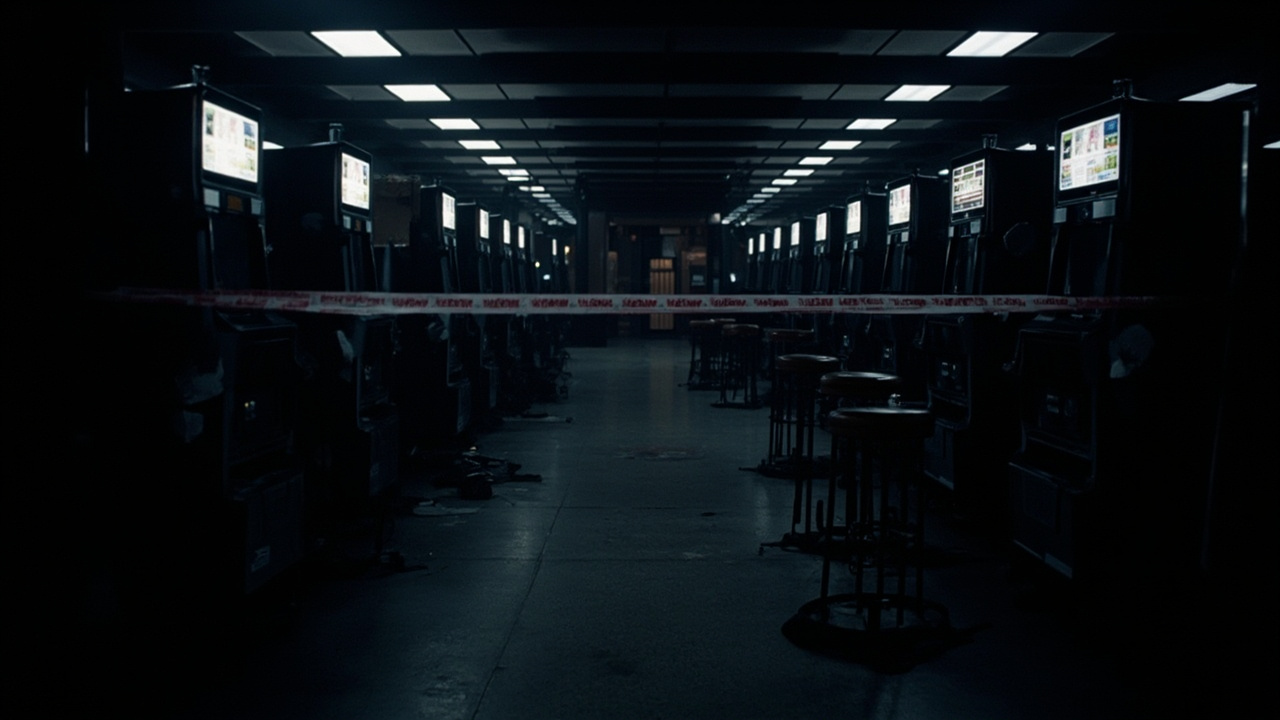
Lobby design tells you how a provider actually thinks about its players. A roulette-first operator will usually surface live tables on the landing page, filter by wheel type, and tag variants with volatility notes rather than leaving players to guess. Search should be functional, not decorative. If typing “roulette” returns a mix of slots with roulette in the title, that is a sign the catalogue has been padded rather than curated.
Liam Smith, an independent iGaming expert working with Blue Mountains Interactive, has flagged this as a quiet deal-breaker. “I have walked operators through internal audits where the roulette vertical was technically live but functionally invisible. A good studio builds discoverability into the layout, not as a marketing afterthought.” That is a useful cue for Australian players: a provider that orders its live dealer page by language, stake, or wheel format is signalling that it takes the segment seriously.
What the catalogue looks like beyond roulette still matters, because players rarely log on for one product only. A healthy lobby mixes:
- A core European and French roulette line-up with published RTP
- A handful of American tables for variety, clearly labelled
- Slot titles from recognisable studios to fill quieter sessions
- Crash, dice, or game-show tables as side content, not as a replacement for roulette
If the slot library is enormous but the roulette page looks like an afterthought, the studio’s priorities are not aligned with the player who came in for a wheel.
Payments, Verification, and the Practical Layer
A studio that handles roulette well tends to also handle the unglamorous side well: deposits, withdrawals, identity checks, and dispute paths. Australian players should expect AUD accounts by default, POLi or PayID as a standard option, and clear processing times rather than vague “instant” promises. Verification should be one step, not five, and the provider should explain what triggers extra checks without burying that information in a footnote.
This is where my compliance hat tends to come in. A provider that integrates KYC into the registration flow, instead of waiting until the first withdrawal, is usually the one with fewer horror stories on consumer forums. The same goes for table limits: a fair roulette page shows minimum and maximum stakes before you join the table, not after.
The flavour of a provider also shows up in support. Local-friendly hours, real chat response times, and staff who understand Australian payment quirks are small details that separate a serious studio from a white-label shell. If the only contact path is a generic offshore form, treat that as a warning sign rather than a minor inconvenience.
Putting It All Together
Choosing the roulette online best studio provider is less about chasing a single “best” label and more about filtering for signals. A serious operator invests in wheel hardware, keeps its lobby organised around player intent, surfaces RTP and stake data honestly, and treats verification as a feature, not a chore. When those pieces line up, the rest of the catalogue usually follows, and an ordinary arvo session feels less like guesswork and more like a product that was actually built for the person playing it.